
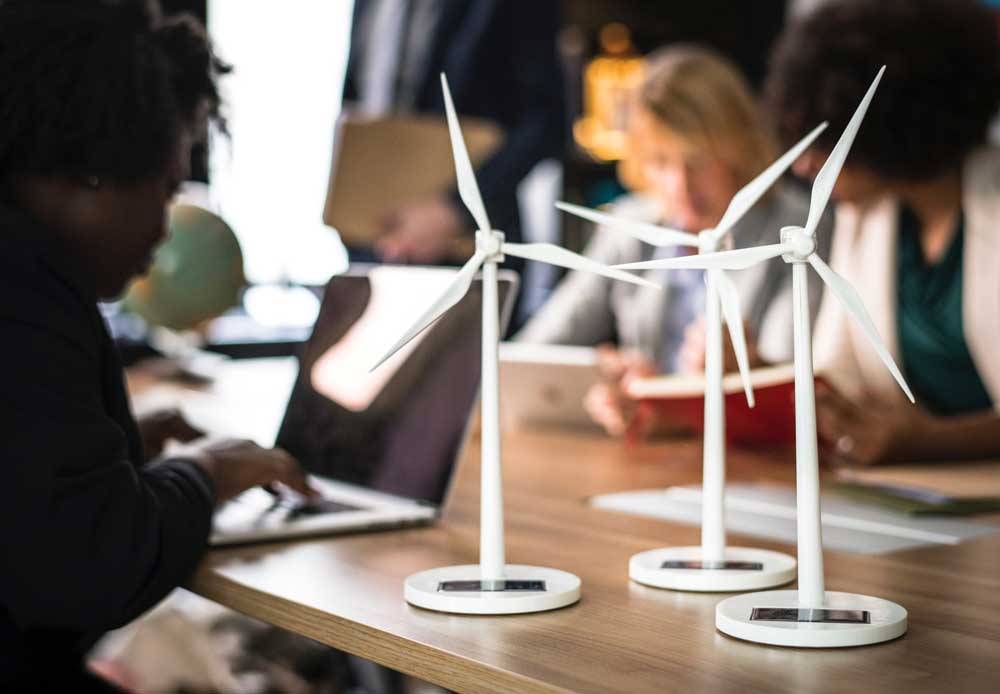
With global climate change issues increasing, the global trade has been making efforts to convert from greenhouse emitting fuels toward clean and renewable energy sources. From 2012 to 2017, the global trade has spent an astonishing $1.5 trillion to add 1 million megawatts of new geothermal power capacity to bridge the 24% of the globe’s power need in 2017.
This is barely scratching the surface of the renewable energy phenomenon. Established countries will have to invest $11 trillion in the upcoming decades to be 100% supported by renewables. This is a gigantic chance for organizations operating in the renewables field.
Overview of the renewables field
The power field has three factors: power, heat, and transport.
The energy sector regulates and brings energy to end consumers like homes and organizations. It manufactures this energy from an array of sources and two major factors:
- Non renewables. This consists of coal, natural gas, nuclear and oil.
- Renewables. This is basically wind, solar, geothermal, biomass, energy waste, and hydroelectric.
In 2017, those renewable sources supported 24% of the world’s energy demand. With wind and solar supporting only less than 10% of the globe’s power supply.
The heat sector generates either fuel or heated air to keep infrastructures warm. There are several heat sources like:
- Non renewables. These are natural gas, fuel oil, kerosene, and propane for firing furnaces that can heat homes.
- Renewables. This is basically wind, solar, geothermal, biomass, energy waste, and hydroelectric.
The transport sector produces fuel to power vehicles. These fuels are:
- Non renewables. This is made up of gasoline, natural gas, diesel, and jet fuel.
- Renewables. These are biodiesel, ethanol, renewable natural gas, and all electric vehicles.
The renewable field’s goal is to replace non renewable energy sources because non renewable power produces greenhouse gasses that heat up the atmosphere and contribute to climate change.
Ways to invest in renewables
Manufacturing and installing. These organizations create and install mechanical hardware required to generate renewable energy. These businesses operate by selling their built product or services to their clients. This venture can grow as the need for renewable energy expands. But keep in mind that the competition can be high — which means higher risks too. But with high risks can come an even higher reward opportunity.
Utilities. These institutions regulate energy and sell it to end-consumers. Although more utilities still use fossil fuels, some are converting and investing in renewables.

Leave A Comment